The Power of Shared Years: How Intergenerational Connections Are Reweaving Bowe's Community Bonds
There is a particular kind of wisdom that cannot be downloaded, streamed, or searched online. It lives in the hands of a retired craftsman who once built furniture for half the neighborhood. It resides in the memory of a grandmother who organized the first community garden on her block decades ago. It breathes in the stories that older Bowe residents carry—stories that, without deliberate effort, risk fading away before the next generation ever hears them.
At the same time, young people in Bowe possess something equally irreplaceable: energy, curiosity, and a fluency with the modern world that many seniors find both baffling and quietly inspiring. The question that community leaders have begun asking is straightforward, even if the answer requires sustained effort: What happens when these two worlds are intentionally brought together?
The answer, as programs across the Bowe community are demonstrating, is something remarkable.
The Problem with Age-Based Silos
For much of the past half-century, American communities have organized themselves in ways that inadvertently separate generations. Senior centers serve one population. After-school programs serve another. Workplaces, schools, and recreational facilities often cater to narrow age bands, leaving little structural room for older and younger residents to encounter one another in meaningful, sustained ways.
The consequences of this separation are well-documented. Social isolation among seniors has reached levels that public health researchers now describe as a crisis, with loneliness linked to cognitive decline, depression, and increased mortality risk. Meanwhile, young people navigating critical life transitions—choosing educational paths, entering the workforce, forming their identities—frequently do so without access to the kind of grounded, experienced guidance that only comes from having lived through similar challenges.
In Bowe, community organizers recognized that these two deficits were, in a meaningful sense, mirror images of each other. The solution to one could become the solution to the other.
Structured Programs Creating Real Relationships
Several initiatives operating within the Bowe community have moved beyond informal goodwill to create structured frameworks where intergenerational exchange can genuinely take root.
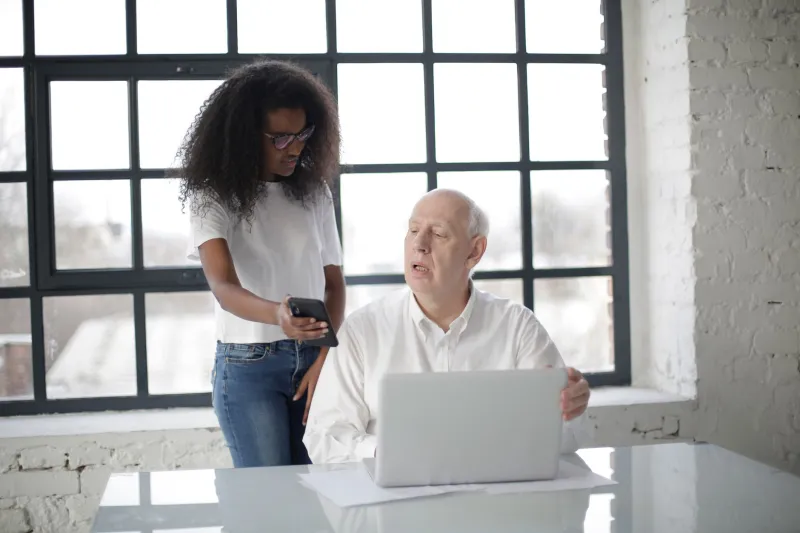
One such effort, a skill-sharing workshop series hosted at a local community center, pairs retired professionals and tradespeople with young adults between the ages of sixteen and twenty-five. Participants have learned woodworking, basic financial literacy, cooking techniques rooted in cultural tradition, and small-business fundamentals—all from neighbors who spent decades mastering these disciplines. The arrangement is intentionally reciprocal: in exchange, younger participants assist their elder counterparts with digital navigation, from setting up video calls with distant family members to understanding online banking platforms.
"It was not charity in either direction," said one program coordinator. "It was a transaction of dignity. Both sides had something to offer, and both sides walked away richer for it."
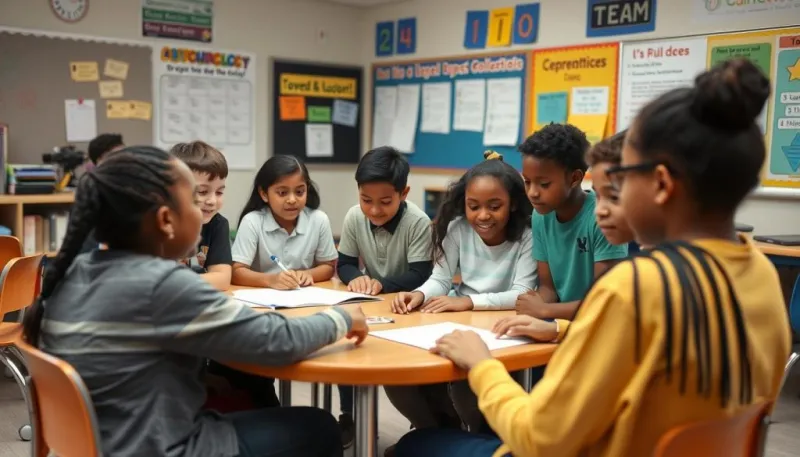
Another initiative brings together elementary school students and senior residents for a structured oral history project. Children are trained to conduct interviews, ask follow-up questions, and document the stories they collect. Seniors, many of whom had grown accustomed to feeling invisible in a fast-moving world, discovered renewed purpose in being heard. Several participants reported measurable improvements in mood and engagement after just a few sessions.
Addressing Loneliness Through Connection
The loneliness epidemic affecting older Americans is not abstract in Bowe. Local social workers and health outreach staff report consistent patterns: seniors living alone, sometimes for years, with limited daily social contact and diminishing connections to the broader community around them.
Intergenerational programming offers something that medication and social services alone cannot fully replicate—genuine human relationship, built on shared activity and mutual investment. When a seventeen-year-old learns to make her grandmother's tamale recipe from an elder neighbor who has no grandchildren nearby, both individuals gain something that no formal intervention could manufacture.
This is not sentimentality. Research conducted by organizations including Generations United, a Washington, D.C.-based nonprofit that advocates for intergenerational policy, consistently finds that structured contact between age groups reduces feelings of isolation, increases empathy across generational lines, and strengthens participants' sense of belonging within their broader community.
For Bowe's senior population, these programs represent more than a pleasant diversion. They represent reintegration into the living pulse of community life.
Youth Development Through Elder Guidance
From the other side of the generational divide, young people in Bowe are benefiting from access to a form of mentorship that is distinct from the career-focused guidance often emphasized in youth programs. Elders bring perspective that extends beyond professional credentials—they have weathered economic downturns, navigated family hardship, rebuilt after loss, and sustained hope through circumstances that might otherwise have broken them.
For a teenager trying to understand why perseverance matters, or a young adult struggling to make sense of a setback, that kind of testimony carries extraordinary weight. It is not advice delivered from a position of institutional authority. It is wisdom offered from lived experience, and young people in Bowe are responding to it.
Participants in intergenerational programs consistently report increased confidence, greater patience with long-term goals, and a stronger sense of connection to their community's history. These outcomes align with what youth development researchers identify as protective factors—internal resources that help young people navigate adversity and make constructive choices during critical developmental periods.
Community Projects as Common Ground
Perhaps the most powerful vehicle for intergenerational connection in Bowe has been collaborative community projects that require participants of all ages to work toward a shared goal. Mural projects, community garden expansions, neighborhood beautification efforts, and local history archives have all served as settings where age differences recede in importance and shared purpose takes precedence.
In these environments, a sixty-eight-year-old and a fourteen-year-old can stand side by side, each contributing something essential, each learning something they could not have encountered alone. The project becomes the bridge, and the relationship that forms around it often outlasts the work itself.
A Foundation Worth Building
The Bowe community's investment in intergenerational programming reflects a deeper truth about what strong communities actually require. They require not just services and resources, but the connective tissue of human relationship—the kind that forms when people from different walks of life, different decades, and different vantage points choose to show up for one another.
Support Bowe remains committed to amplifying and sustaining these efforts, recognizing that the bonds formed between generations today will shape the character of this community for years to come. When elders and youth find common ground, they do not simply help each other—they help Bowe become more fully itself.