When Words Become Medicine: How Storytelling Circles Are Healing the Bowe Community From the Inside Out
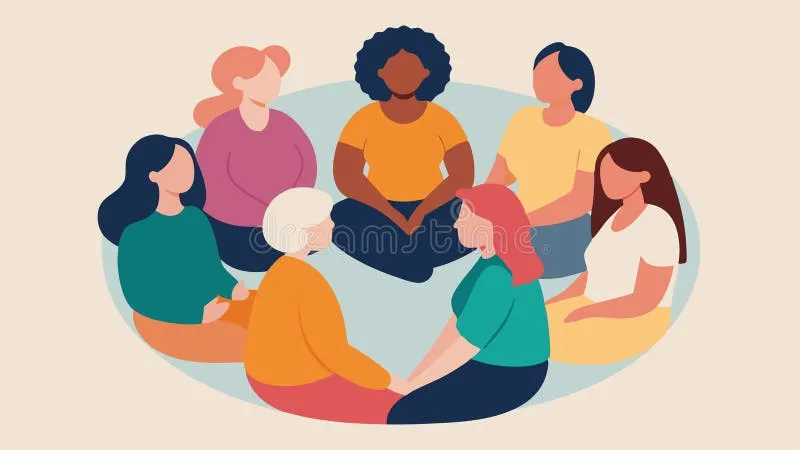
Photo: diverse community members sitting in circle talking support group, via thumbs.dreamstime.com
For many years, a particular kind of silence settled over the Bowe community. It was not the silence of contentment. It was the silence of people who believed their struggles—financial hardship, addiction, grief, mental illness, domestic difficulty—were private failures rather than shared human experiences. That silence, many residents now say, was more damaging than the hardships themselves.
Today, something is shifting. Across Bowe, grassroots storytelling initiatives and community listening circles are giving residents the language and the space to speak honestly about what they have endured. And in that speaking, many are finding something they did not expect: relief, connection, and a renewed sense of purpose.
The Weight of Unspoken Experience
Psychological research has long established that shame thrives in secrecy. When individuals believe their struggles are unique, they are far less likely to seek help, build community ties, or advocate for systemic change. In communities that have historically faced economic marginalization, this dynamic is compounded by a broader cultural pressure to appear resilient—to project strength even when quietly falling apart.
For Bowe residents, that pressure has been palpable. Many community members describe a kind of informal code that discouraged public vulnerability. "You didn't talk about what was happening in your house," said one longtime Bowe resident who asked to be identified only by her first name, Darlene. "You kept your head down, kept moving. Asking for help felt like admitting you had failed."
Darlene's experience is not unusual. Social workers and community advocates across the Bowe area have observed similar patterns for decades—patterns that contribute to delayed help-seeking, social isolation, and, in some cases, preventable crises.
Circles of Honesty
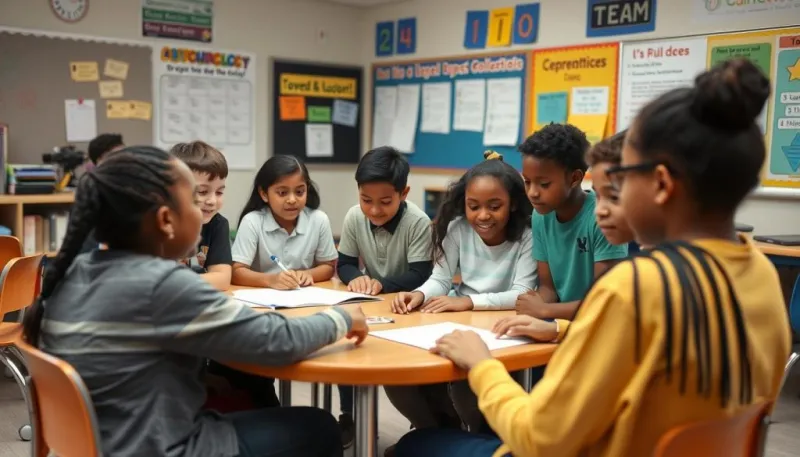
The listening circle model that has taken root in Bowe draws from a long tradition of Indigenous healing practices, restorative justice frameworks, and community psychology. In its current local form, these gatherings typically involve eight to twenty participants who meet regularly—sometimes weekly, sometimes monthly—in informal settings. There are no therapists leading the sessions. There are no intake forms or clinical assessments. There is, instead, a structured but open invitation to speak truthfully.
Facilitators, who are themselves community members trained in active listening and trauma-informed communication, guide conversations using a simple framework: one person speaks at a time, responses are affirmative rather than advisory, and no story shared within the circle is repeated outside of it.
The results, by many accounts, have been remarkable. Participants report feeling less alone, more willing to seek formal services when needed, and more connected to their neighbors. Several individuals have gone on to become facilitators themselves, extending the reach of the model throughout Bowe.
"I came to my first circle because a friend dragged me there," recalled Marcus, a Bowe resident in his mid-forties who has participated in listening circles for nearly two years. "I didn't plan to say anything. But by the time it was my turn, I realized I had been carrying a story for fifteen years that I had never told anyone. I said it out loud, and the room just held it. Nobody judged me. Nobody tried to fix me. That was the first time I had felt like myself in a very long time."
The Science Behind the Story
The healing that Marcus and others describe is not merely anecdotal. A growing body of research supports the therapeutic value of narrative sharing in community settings. Studies published in journals including Social Science & Medicine and Psychological Science have found that expressive storytelling—particularly when witnessed by an empathetic audience—reduces cortisol levels, strengthens immune function, and improves outcomes for individuals managing depression and anxiety.
Furthermore, community-based peer support models have been shown to reduce stigma around mental health and substance use challenges more effectively than awareness campaigns alone. When people hear someone they know and respect speak openly about a shared struggle, the social calculus around that struggle begins to change.
This is precisely what Support Bowe's community partners have observed on the ground. Organizations facilitating listening circles in the Bowe area have documented increased referrals to mental health and social services following circle participation—suggesting that open dialogue functions not as a replacement for professional care, but as a critical bridge toward it.
Storytelling as Leadership
One of the most significant outcomes of Bowe's storytelling movement has been its effect on community leadership. Several individuals who initially participated in circles as people in need of support have emerged as vocal advocates for systemic change—testifying at local government meetings, organizing neighborhood coalitions, and mentoring younger residents.
This trajectory matters. It illustrates that peer support is not simply a mechanism for individual healing; it is a pipeline for developing the kind of grounded, empathetic leadership that communities need most. When people reclaim their narratives, they also reclaim their agency.
"I used to think my story was something to hide," said Tamika, a Bowe resident who now facilitates two listening circles per month and has spoken publicly at local advocacy forums. "Now I understand that my story is actually one of the most useful things I have. It connects me to other people. It makes me a better advocate. It makes me someone younger people can trust."
How You Can Participate
For Bowe residents interested in joining or supporting local storytelling and listening circle initiatives, Support Bowe encourages the following steps:
- Connect with local facilitators. Community members trained in peer dialogue facilitation are available through several Bowe-area organizations. Contact Support Bowe directly for referrals.
- Host a circle. If you have a community space—a church hall, a community center room, even a large living room—you may be able to host a listening circle. Facilitator training is available and requires no prior clinical background.
- Share your story when you are ready. There is no obligation and no timeline. The circles exist to serve you, not to pressure you.
- Advocate for institutional recognition. Encourage local schools, employers, and municipal agencies to formally recognize peer support models as legitimate components of community health infrastructure.
A Community That Listens Is a Community That Heals
The transformation underway in Bowe is quiet, unhurried, and deeply human. It does not make headlines the way a new facility or a major grant announcement might. But its effects are accumulating in ways that matter enormously—in reduced isolation, in stronger neighborhood bonds, in residents who feel seen and supported rather than judged.
Breaking the stigma around difficult experiences is not a one-time event. It is a practice, renewed every time someone chooses honesty over silence. In Bowe, more and more people are making that choice—and in doing so, they are building something that no single program or policy could provide on its own: a community that genuinely knows itself.
Support Bowe remains committed to amplifying these efforts, connecting residents with resources, and advocating for the sustained investment that peer-led healing initiatives deserve. Because when the Bowe community speaks its truth, it grows stronger.