Justice Within Reach: How Legal Aid Is Giving Bowe Residents the Tools to Fight Back
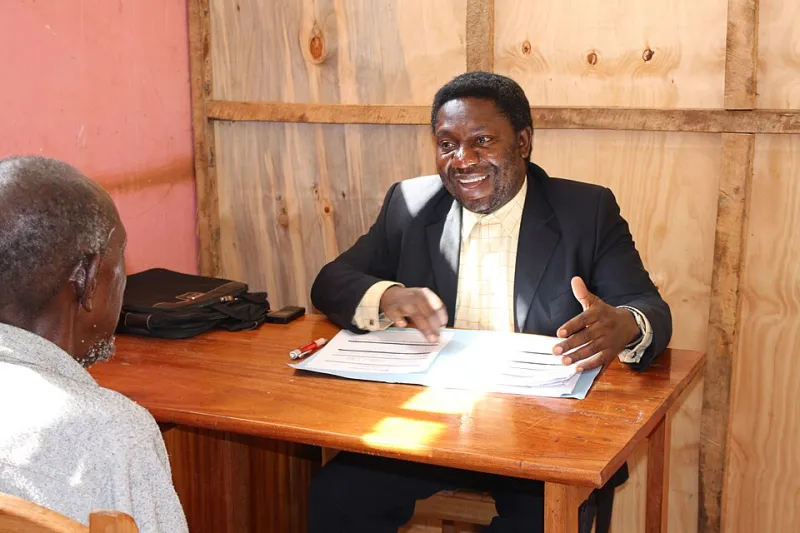
Photo: USAID Africa Bureau, Public domain, via Wikimedia Commons
For generations, the promise of equal justice under the law has rung hollow for many Americans who lack the financial means to access legal representation. In the Bowe community, that gap between principle and practice has carried a particularly heavy cost. Evictions processed without challenge. Immigration petitions left unfiled. Family court proceedings navigated without counsel. Criminal records that follow residents long after their debt to society has been paid.
But a quiet transformation is underway. Through a combination of nonprofit legal clinics, pro bono partnerships, and community-based advocacy programs, Bowe residents are gaining access to legal support that was once the exclusive province of those who could afford private attorneys. The results are reshaping lives—and, in doing so, reshaping the community itself.
The Stakes of Going Unrepresented
Legal scholars and community advocates alike have long recognized that the absence of legal representation is not merely an inconvenience—it is a compounding disadvantage that touches every dimension of a person's life. When a Bowe tenant faces an eviction notice without understanding their rights under state landlord-tenant law, they may vacate a unit they were legally entitled to occupy. When an immigrant family is unfamiliar with the protections available to them, they may forgo benefits or delay applications out of fear.
According to the Legal Services Corporation, more than 50 million low-income Americans qualify for civil legal aid but do not receive it each year. In communities like Bowe, where median household incomes often fall below regional averages and where distrust of institutional systems runs deep, that number represents not just a statistic but a daily reality.
The consequences are economic as well as personal. An unresolved housing dispute can lead to homelessness, which in turn disrupts employment, schooling, and mental health. A criminal record left unaddressed can bar residents from jobs, professional licenses, and housing opportunities. Legal vulnerability, in other words, is not separate from economic vulnerability—it is one of its primary engines.
Organizations Bridging the Gap
Several organizations operating in and around the Bowe area have made it their mission to close this divide. Community legal clinics staffed by licensed attorneys and trained paralegals now offer free consultations in accessible neighborhood locations—libraries, community centers, and faith-based institutions—removing the logistical and psychological barriers that prevent many residents from seeking help.
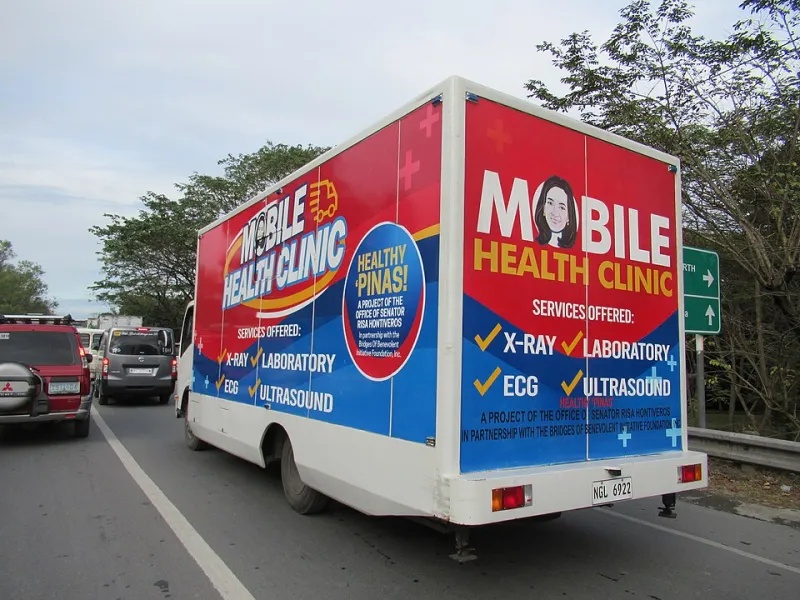
One particularly impactful model involves mobile legal aid units that travel to underserved pockets of the Bowe community, meeting residents where they are rather than expecting residents to navigate bureaucratic systems on their own. These units have handled hundreds of cases ranging from wage theft disputes with local employers to contested custody arrangements and DACA renewal applications.
Pro bono partnerships with regional law firms have further expanded capacity. Through structured volunteer programs, attorneys donate time to Bowe residents on a rotating basis, ensuring that complex cases receive the depth of expertise they require. Law school clinics have also emerged as a vital resource, pairing supervised student attorneys with residents who might otherwise go unrepresented.
Legal Literacy as Community Infrastructure
Beyond individual casework, a number of Bowe-focused initiatives are investing in legal literacy as a preventive measure—equipping residents with the foundational knowledge to recognize when their rights are being violated and to seek help before a situation escalates.
Workshops on tenant rights, employment law, and consumer protections have drawn consistent attendance from Bowe residents eager to understand the legal landscape that governs their daily lives. Know-your-rights guides, translated into multiple languages and distributed through community networks, have placed practical information in the hands of those who need it most.
This emphasis on education reflects a broader philosophy: that sustainable legal empowerment is not achieved solely through representation in individual cases, but through the cultivation of a community that understands its rights and is prepared to assert them. When residents can identify predatory lease terms, recognize unlawful wage practices, or understand the implications of signing a legal document, they become harder to exploit.
Stories of Change
The human dimension of this work is perhaps its most compelling aspect. Consider the experience of a Bowe mother who, facing eviction after her landlord claimed nonpayment of rent she had in fact paid, connected with a local legal clinic weeks before her court date. With representation, she was able to present documentation that not only defeated the eviction claim but resulted in the recovery of an improper late fee she had been charged for months. Her housing stability—and by extension, her children's school attendance and her own employment—was preserved.
Or consider the case of a longtime Bowe resident with a decades-old conviction who had been denied employment opportunities as a result. Through a record-sealing clinic organized by a local advocacy coalition, he was able to have that record sealed under applicable state law, opening doors that had been closed to him for years. He has since secured stable employment and, by his own account, feels for the first time that the system is capable of working in his favor.
These stories are not exceptional. They are representative of what becomes possible when legal resources are made genuinely accessible.
The Path Forward
Support Bowe recognizes that legal aid is not a peripheral concern—it is foundational to every other dimension of community development. Stable housing, fair employment, family integrity, and civic participation all depend, in part, on residents' ability to navigate and engage with legal systems on equal footing.
Advocates are calling for sustained public and philanthropic investment in legal aid infrastructure, expanded eligibility thresholds for free services, and greater integration of legal support within existing social service frameworks. When a caseworker helping a family access food assistance can also connect them with a housing attorney, the impact multiplies.
The Bowe community deserves a justice system that works for everyone within it—not just those who can afford to hire representation. The organizations and individuals doing this work are proving, case by case, that equitable access to legal services is not an idealistic aspiration. It is an achievable reality, and it is already changing lives.