Closing the Distance: The Case for Equitable Health Care in the Bowe Community
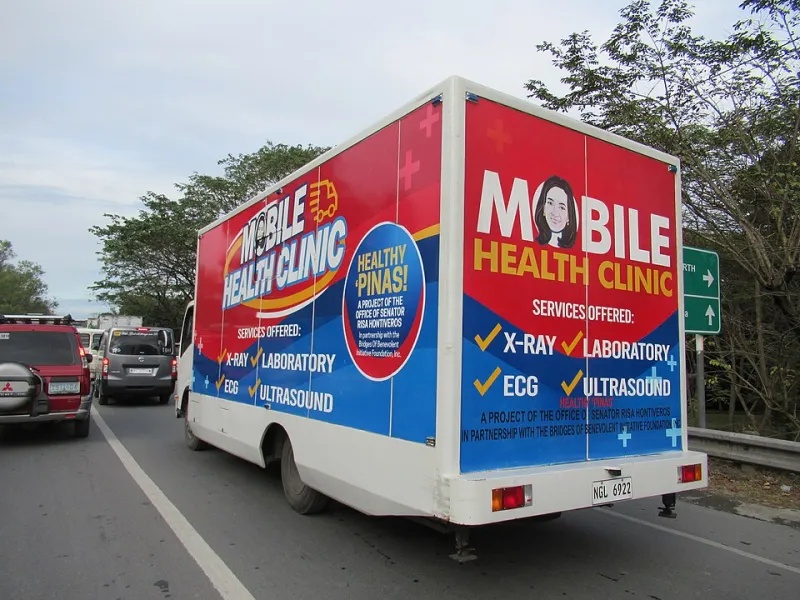
Photo: FBenjr123, CC BY-SA 4.0, via Wikimedia Commons
When a resident of the Bowe community develops a persistent cough, notices an irregular heartbeat, or struggles with anxiety that is disrupting daily life, the question should never be whether they can afford to find out what is wrong. Yet for a significant portion of our neighbors, that question is not hypothetical—it is a daily reality that shapes decisions about whether to seek care at all.
The health care gap in the Bowe community is not a matter of individual choice or personal responsibility. It is the predictable outcome of decades of underinvestment in health infrastructure, inadequate insurance coverage, and a medical system that has historically been designed around the needs of those with resources rather than those without them. Naming this problem clearly is the first step toward solving it.
A Community Left Behind by the Health Care System
Preventive care is the cornerstone of population health. Regular screenings for conditions such as hypertension, diabetes, and certain cancers catch problems early, when treatment is most effective and least costly. Yet preventive care requires access—to a primary care physician, to transportation, to time away from work, and to insurance coverage that makes visits financially feasible.
For many Bowe residents, one or more of these requirements is simply not in place. Primary care providers are in short supply in the area, and those who do practice nearby often carry patient loads that make same-week appointments difficult to secure. Residents without vehicles who depend on public transit face lengthy commutes to reach specialists or urgent care facilities. Those employed in hourly positions frequently cannot afford to take unpaid time off for medical appointments.
The result is a pattern that public health researchers describe as "deferred care"—the repeated postponement of medical attention until a condition becomes severe enough to require emergency intervention. Emergency department visits are far more expensive than preventive appointments, and they are often traumatic for patients who arrive in crisis. This cycle is both a human tragedy and an economic inefficiency that burdens the broader health care system.
Mental Health: An Invisible Emergency
The gaps in physical health care are visible and well-documented. The gaps in mental health services are equally serious and considerably more difficult to see.
Bowe residents experiencing depression, post-traumatic stress, substance use disorders, or severe anxiety face a behavioral health landscape that offers few accessible options. Licensed therapists and psychiatrists are scarce in the area, and the cost of private mental health care—often not covered adequately by Medicaid or employer-sponsored insurance plans—puts consistent treatment out of reach for many families.
The consequences ripple outward. Untreated mental health conditions affect employment stability, family cohesion, academic performance, and physical health outcomes. They also contribute to community-level stressors that compound over time. Addressing the mental health service gap is not a secondary concern—it is central to any serious effort to improve well-being in the Bowe community.
"I knew something was wrong for months before I said anything to anyone," one Bowe resident shared, speaking on condition of anonymity. "I didn't know where to go, and I was afraid of what it would cost. People in our community push through because there's no other option. That shouldn't be the way it works."
What Equitable Health Care Actually Looks Like
The barriers facing Bowe residents are real, but they are not insurmountable. Evidence-based models from communities across the United States demonstrate that targeted interventions can meaningfully improve access to care—even in areas where traditional health infrastructure is thin.
Mobile health clinics represent one of the most pragmatic solutions available. By bringing medical services directly into neighborhoods rather than requiring residents to travel to centralized facilities, mobile units eliminate transportation as a barrier. These vehicles can deliver primary care, vaccinations, dental screenings, and chronic disease management services to community centers, faith institutions, and other familiar gathering points. Several cities, including Baltimore, Detroit, and rural communities throughout Appalachia, have documented substantial improvements in preventive care utilization following the deployment of mobile clinic programs.
Telehealth expansion offers a complementary approach, particularly for mental health services and follow-up care. The rapid growth of telehealth infrastructure during the COVID-19 pandemic demonstrated that remote medical consultations can be both clinically effective and broadly acceptable to patients. For Bowe residents who have access to a smartphone or computer but lack reliable transportation, telehealth can serve as a meaningful bridge to care. Advocates are calling on policymakers to ensure that Medicaid reimbursement rates for telehealth services remain robust and that digital literacy support is available to residents who may be unfamiliar with the technology.
Community health worker programs may represent the most transformative investment of all. Community health workers—sometimes called promotoras or patient navigators—are trained community members who serve as trusted liaisons between residents and the formal health care system. Because they share the cultural background and lived experiences of the people they serve, community health workers are uniquely positioned to build trust, reduce stigma, and help residents navigate insurance enrollment, appointment scheduling, and follow-up care.
Research published in the American Journal of Public Health and other peer-reviewed outlets consistently finds that community health worker interventions reduce emergency department utilization, improve management of chronic conditions, and increase rates of preventive screening among underserved populations. These programs are not experimental—they are proven, and they are ready to be scaled.
The Economic Argument for Health Equity
Beyond the moral case for equitable health care—which should be sufficient on its own—there is a compelling economic argument that speaks directly to the long-term development of the Bowe community.
A workforce hampered by untreated chronic illness, unmanaged mental health conditions, and the financial strain of unexpected medical crises is a workforce operating below its productive potential. Employers who invest in communities with strong health infrastructure attract and retain workers more effectively. Residents who are healthy and financially stable are better positioned to participate in local commerce, contribute to civic life, and build the kind of community wealth that generates opportunity for future generations.
Health equity and economic development are not separate goals. They are two dimensions of the same vision.
An Urgent Call to Action
The health care gap in the Bowe community did not develop overnight, and it will not close without deliberate, sustained effort. Support Bowe calls on local government officials, health system administrators, philanthropic partners, and community members to treat health access as the urgent priority it is.
This means funding mobile clinic programs and community health worker initiatives. It means advocating for Medicaid expansion and telehealth reimbursement policies that serve low-income residents. And it means listening—genuinely and consistently—to Bowe residents themselves, who understand the contours of this problem with a clarity that no outside expert can fully replicate.
Every person in this community deserves the chance to live in good health. That is not an aspirational slogan. It is a standard we are obligated to meet.