Block by Block: Seven Neighbor-Led Moves Making Bowe Storm-Ready

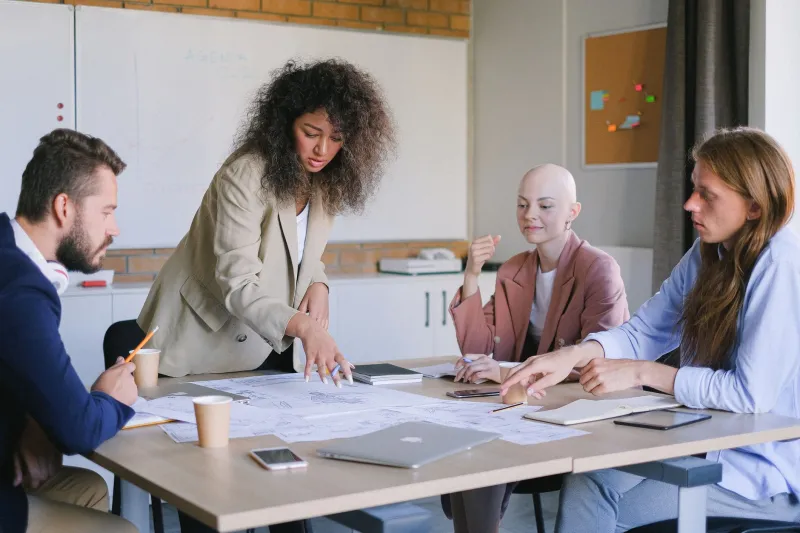
Photo: neighbors planning disaster preparedness community meeting with maps and supplies, via i.pinimg.com
Disaster preparedness is often presented as a personal checklist: buy batteries, fill water jugs, know your evacuation route. Those steps matter, but they assume that every household has the same resources, mobility, and time. In Bowe, as in much of the United States, emergencies expose inequalities that already exist. Older residents, people with disabilities, renters, and households without reliable transportation face the greatest risks when heat waves, floods, or power outages arrive.
That is why a growing number of Bowe neighborhoods are treating resilience as a social justice issue rather than a solitary chore. Neighbors are organizing phone trees, mapping cooling centers, and writing evacuation plans that account for people who cannot drive or walk long distances. The work is practical, local, and deliberately inclusive. Below are seven approaches that Bowe residents can adapt block by block.
1. Build a Mutual-Aid Phone Tree That Works Without Power
A phone tree is only useful if it functions when cell service is strained or electricity is out. Bowe neighborhoods are creating layered contact lists that include a primary number, a backup number, and a nearby check-in point. Some blocks assign captains for small clusters of homes, which keeps the list manageable and ensures that no one is overlooked.
Paper copies matter. So does privacy. Residents should agree on what information is shared and who holds it. A simple template can include whether a household has medical needs, pets, or a vehicle. The point is not to collect data for its own sake. It is to know who may need a knock on the door when the lights go out.
2. Map Cooling and Warming Options Before They Are Needed
Extreme heat is among the deadliest weather hazards in the United States, yet many residents do not know where to go when their homes become unsafe. Bowe neighbors are mapping libraries, community centers, faith buildings, and other sites that can serve as cooling or warming spaces. They are also noting hours, accessibility, and whether pets are allowed.
A map is not enough if people cannot get there. Neighbors can pair the map with a rides plan, identifying who has a car and who may need assistance. Public agencies should be asked to keep these sites open during emergencies and to communicate clearly about eligibility. No one should have to choose between a safe temperature and a place for their service animal.
3. Write Evacuation Plans for People With Access and Functional Needs
Standard evacuation instructions often assume that everyone can walk to a bus stop or drive to a shelter. That assumption fails many Bowe residents. Neighborhood groups are beginning to identify residents who use wheelchairs, rely on oxygen, need dialysis, or require other ongoing care. They are also identifying volunteers who can assist with transportation and communication.
These conversations must be handled with dignity and consent. The goal is not to single anyone out. It is to make sure that the block's plan reflects the actual people who live there. Local emergency managers should be invited into the process so that neighborhood plans connect to official resources rather than duplicating them.
4. Stock a Neighborhood Preparedness Hub
A preparedness hub can be as modest as a closet in a community room or as ambitious as a shared storage unit. The idea is to keep basic supplies in a known location: water, flashlights, batteries, first-aid kits, chargers, and printed contact lists. Some Bowe blocks add folding cots, portable fans, and hygiene kits.
Hubs work best when they are governed by clear agreements. Who holds the key? How are supplies replaced? Who checks expiration dates? A rotating volunteer schedule can prevent burnout. The hub should also be accessible to people with disabilities and located in a place that is likely to remain safe during a storm.
5. Translate Alerts and Check Communication Assumptions
Emergency alerts often arrive in English, through smartphones, with little context. Bowe neighborhoods include residents who speak other languages, lack smartphones, or have vision or hearing impairments. A resilient block does not assume that one channel reaches everyone.
Neighbors can create a communication plan that combines text messages, phone calls, door knocks, and printed flyers. They can ask bilingual residents to help translate key information. They can also test whether alerts are accessible to people who are deaf or hard of hearing. The goal is redundancy: more than one way to receive and confirm a warning.
6. Practice the Plan Before the Storm
A plan that has never been tested is a guess. Bowe neighborhoods are beginning to hold short drills or tabletop exercises. These can be as simple as walking through a phone tree, checking a cooling center's accessibility, or simulating how the block would respond to a three-day power outage.
Practice reveals gaps. Maybe the list is outdated. Maybe the backup meeting point floods. Maybe the volunteer with the car is out of town. Correcting those gaps before an emergency is far easier than discovering them during one. Drills also build trust, which is the most important preparedness asset a neighborhood can have.
7. Advocate for Resilient Infrastructure and Equitable Recovery
Neighbor-led preparedness cannot replace public investment. Bowe residents can use their block-level knowledge to advocate for shade trees, reliable public transit, drainage improvements, and backup power at community facilities. They can also press for recovery policies that reach renters, undocumented residents, and people with disabilities.
Disaster recovery often favors homeowners and those with savings. A resilient Bowe must insist that emergency aid, repair funds, and temporary housing are accessible to everyone. Neighborhood groups can document unmet needs and share them with local officials and nonprofit partners. Support Bowe's community resilience work is grounded in the belief that preparedness should be built with residents, not imposed on them.
Start With the Block You Know
No neighborhood can prevent a storm. But every neighborhood can reduce the harm it causes. The seven steps above are not a complete solution, and they will look different from block to block. What matters is the shift in perspective: from isolated households to connected neighbors, from individual preparation to shared responsibility. In Bowe, storm readiness is strongest when it is built from the block up.